Skip to content
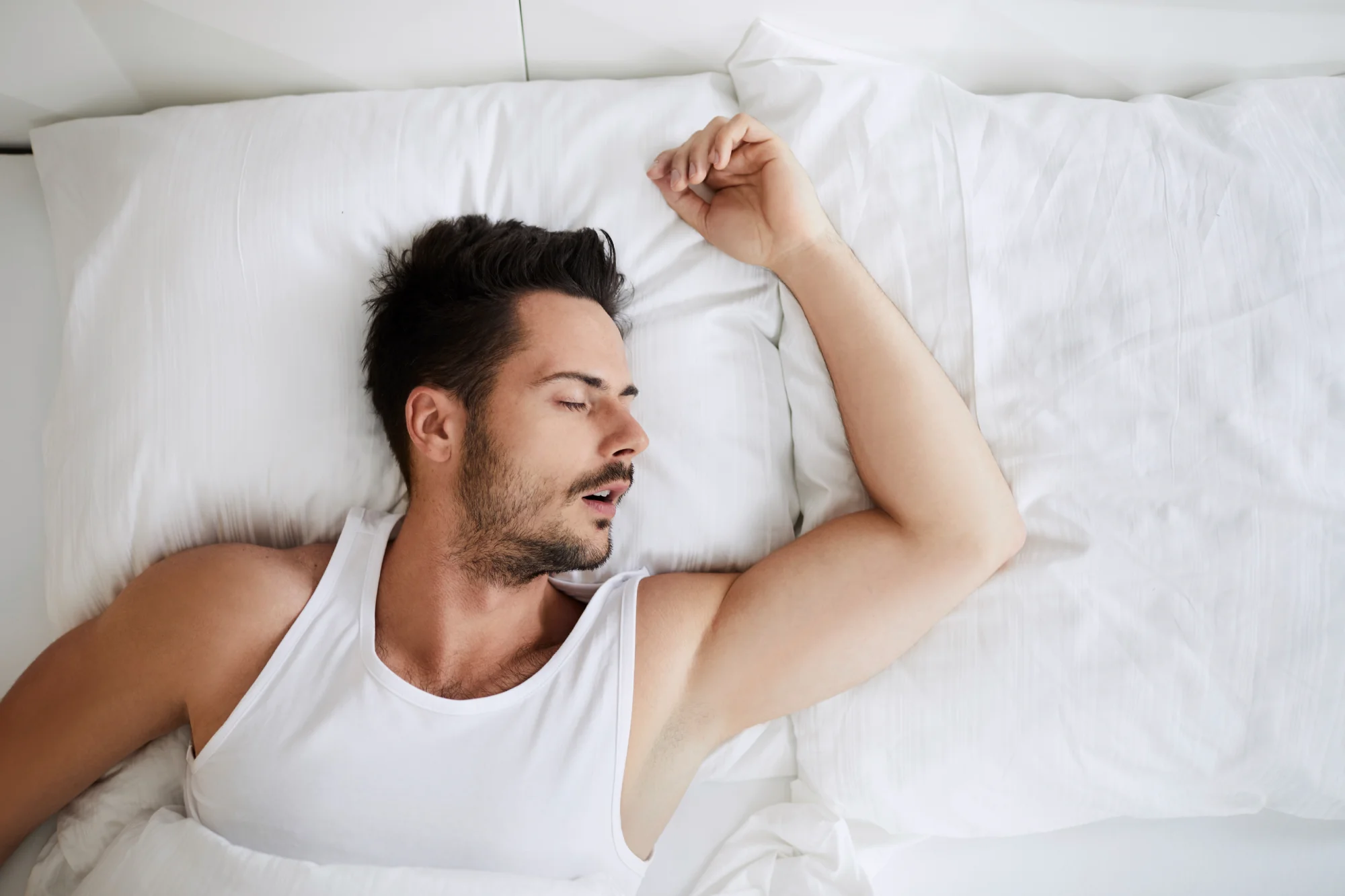
Snoring is one of those things people joke about until it stops being funny. For many individuals, it signals something deeper. It might point to a nightly pattern of disrupted breathing that chips away at rest, energy, and overall health. As awareness around sleep disordered breathing grows, so does the search for solutions that do not involve surgery, bulky equipment, or long recovery periods. That is where laser therapy for snoring enters the conversation.
Can laser therapy help with snoring?
Laser therapy for snoring works by using controlled heat energy to stimulate collagen production in the soft tissues of the throat, gradually firming the airway and reducing the vibration that causes snoring.
Why Snoring Happens in the First Place
To understand how laser treatment works, it helps to understand what creates snoring in the first place. During sleep, the muscles in the throat and mouth naturally relax. For some people, this relaxation causes the soft tissue around the upper airway to become loose enough that airflow causes it to vibrate.
That vibration produces the familiar sound of snoring. In cases of obstructive sleep apnea, the tissue does not just vibrate; it also partially or fully collapses, momentarily blocking airflow altogether.
The problem, in other words, is structural. Excess tissue laxity in the throat creates a narrowing that disrupts the smooth passage of air. That is why many stop-snoring solutions that focus only on sleep position or lifestyle adjustments have limited reach. They do not address the tissue itself.
How Laser Snoring Treatment Works
Laser therapy for sleep apnea and snoring takes a direct approach to this tissue-level problem. The treatment uses controlled heat energy delivered through a specialized device to stimulate a natural biological response in the body: collagen remodeling.
Collagen is the structural protein that gives tissue its firmness and elasticity. As we age, collagen production slows, and existing collagen fibers become more disorganized. This contributes to the soft tissue laxity seen in the throat and palate.
When laser energy is applied carefully to the mucosal lining of the oral tissue, it triggers the body to produce new collagen and reorganize existing fibers. Over time, the treated tissue firms up, reducing the degree to which it collapses or vibrates during sleep.
The result is a gradual tightening of the soft palate and surrounding structures, which can improve airflow and reduce the intensity of snoring. This is not an instant fix. Instead, the process works progressively across multiple sessions as the tissue responds and remodels.
What Makes NightLase Therapy Different
The Fotona NightLase system is one of the more studied laser platforms used for this application. It uses an Er:YAG laser, a wavelength known for its precision in interacting with water-rich tissue. This matters because mucosal tissue in the mouth and throat has a high water content, allowing the laser energy to be absorbed efficiently without requiring surgical incisions or the removal of tissue.
Treatments are performed inside the mouth with a specialized handpiece. There are no external cuts, no anesthesia injections, and no downtime following a session. Patients can return to normal activities the same day. The non-invasive snoring treatment format makes it accessible to people who have avoided surgical routes, including those managing mild to moderate obstructive sleep apnea or persistent chronic snoring.
It is also worth noting what NightLase does not claim to do. It is not a cure for every presentation of sleep apnea, and results vary from person to person. For more complex cases, it is often considered alongside a broader care plan rather than as a standalone answer.
Is Laser Therapy for Snoring Worth Exploring?
For people who have resisted the idea of a CPAP vs. NightLase comparison because they assumed laser treatment was fringe or experimental, the clinical rationale is more grounded than it might appear.
The underlying mechanism (laser-stimulated collagen tightening in the throat) is well-documented in the broader field of laser-assisted tissue remodeling. The application to snoring and mild sleep apnea represents a logical extension of that science.
That said, it is always reasonable to ask questions before committing to any treatment. Is NightLase safe? For most healthy adults, the procedure carries a low risk profile given its non-invasive nature. How many sessions of NightLase do you need? Most protocols involve a series of three sessions spaced several weeks apart, though this can vary.
The honest answer about outcomes is that this treatment works well for many patients and less so for others, depending on anatomy, the severity of airway narrowing, and lifestyle factors. A consultation with a trained provider is the most reliable way to assess fit.
A Practical Perspective on Non-Surgical Sleep Treatment
Sleep quality improvement is not a minor concern. Disrupted sleep has well-documented connections to cardiovascular strain, cognitive performance, metabolic function, and mood regulation. Addressing the structural source of snoring reflects a more complete view of what sleep apnea without CPAP management can look like when approached thoughtfully.
Laser therapy does not promise perfection, but for the right patient, it offers something genuinely useful: a way to work with the body’s own repair mechanisms to create lasting, measurable change in how they breathe at night.
NightLase Treatment in Chico, CA at TrueU Wellness
In Chico, CA, TrueU Wellness offers NightLase laser therapy as part of its approach to sleep apnea treatment. The service is designed for patients experiencing loud snoring, interrupted sleep patterns, and the daytime fatigue that often follows poor-quality rest. Using the Fotona laser, our team applies gentle heat to airway tissues to support improved airflow and reduce airway restriction during sleep.
Results tend to develop gradually. Some patients report changes in snoring frequency and sleep consistency within a few weeks, while others notice shifts more slowly as collagen remodeling takes hold. Maintenance sessions may be recommended over time, and this approach is often part of a larger individualized plan that considers each patient’s specific needs.
For those exploring their options, scheduling a consultation at TrueU Wellness in Chico is a practical first step toward understanding what this therapy might offer in your specific situation.
Ready to Sleep Better? Schedule a consultation today and take the first step toward quieter, more restful nights.
Frequently Asked Questions
How does NightLase laser therapy reduce snoring?
NightLase uses Er:YAG laser energy to stimulate collagen remodeling in the soft tissues of the throat, gradually firming the airway to reduce vibration during sleep.
Is NightLase treatment painful?
Most patients report little to no discomfort during the procedure, as the laser gently heats oral tissue without incisions or injections.
How many NightLase sessions are typically needed?
A standard protocol involves three sessions spaced several weeks apart, though individual needs may vary based on the severity of snoring or sleep apnea.